Sites GLAVUPDK
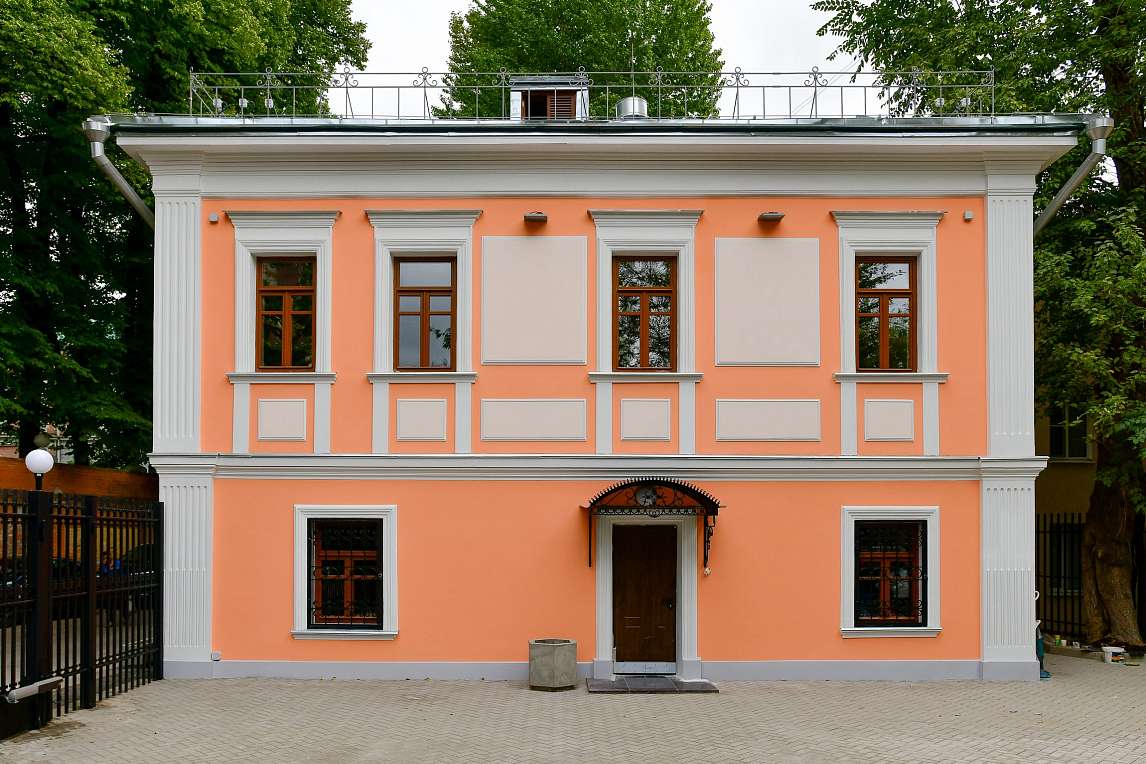

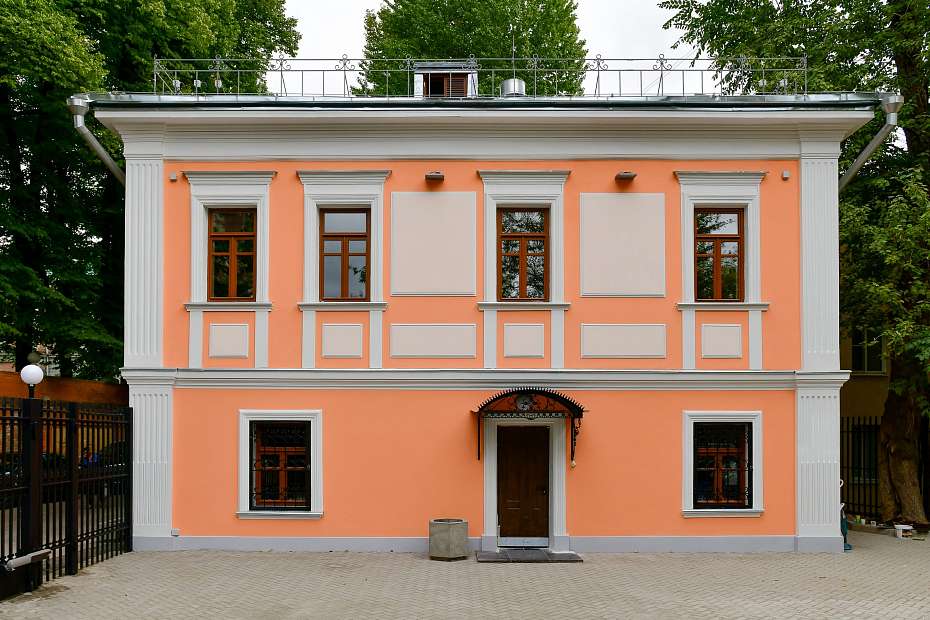
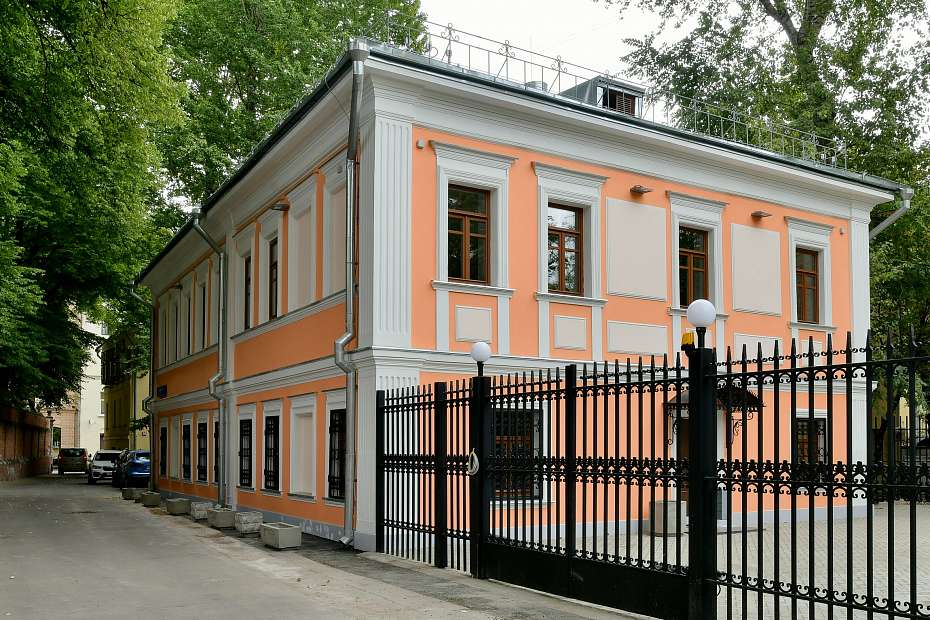
Denezhny Lane, Building 3, Bldg. 2. 18th-19th-Century City Estate of the Lodyzhensky-Zagryazhsky-Rukavishnikovs, Late 18th - Early 20th Centuries – Residential Outbuilding
Denezhny Lane is located in the heart of the capital, in the Khamovniki and Arbat districts. The street takes its name from the settlement of the Tsar's Mint's moneymakers (engravers and coin minters) that existed here. Today, the lane generally retains its historical urban appearance from the second half of the 19th and early 20th centuries.
One of the buildings that makes up the street's distinctive architectural ensemble is the Lodyzhensky-Zagryazhsky-Rukavishnikov city estate, currently numbered 3 (buildings 1 and 2). This property had been in the possession of the Lodyzhensky family since 1770, representatives of an ancient (since the 14th century) and extensive boyar/noble, later princely, line. The estate's two-story main house with mezzanines was built no later than 1787, and the adjoining single-story courtyard wing to the west was built in 1789-1790.
The estate was undamaged by the fire of 1812, and several years later, the property was acquired by a married couple: Lieutenant General Count Osip Osipovich (Octavie) de Quinson, a French royalist who fought in the Russian army against the "usurper" and was elevated to peer upon his return to France after the Restoration, and Princess Darya Petrovna (née Odoyevskaya). However, after the death of Princess Darya, who died before she was 32, the count retired to his Tula estate, where he devoted himself to charity work, while the house and outbuilding were rented out.
Two decades later, the property passed to Captain Dmitry Ivanovich Mikulin, who divided it into two unequal parts. The larger part was sold to the state Department of Appanages, and the outbuilding and the remaining land were purchased by Nadezhda Andreyevna Zagryazhskaya, a member of another ancient and influential family, which, among others, produced Natalya Nikolaevna Goncharova, Pushkin's wife. In the second half of the 19th century, the Rukavishnikovs, a merchant couple, became the owners of the estate.
In 1911, reconstruction of the main house and outbuilding began under the supervision of architect V.P. Drittenpreis. The latter is best known as a symbolist artist, a member of the Blue Rose and World of Art groups, and a frequent illustrator for the Golden Fleece magazine. This makes the little that remains of his architectural legacy all the more interesting. Drittenpreis approached the task with considerable delicacy, preserving the 1830s façade design on the first and second floors of the main building, while the outbuilding (building 2) received a more modest but updated decor.
Until the 1980s, all the buildings on the estate housed apartments. In the 1990s, the outbuilding was renovated, completely changing its exterior appearance and interior layout. The building is currently under the management of GlavUpDK.